











FAQs
About Minimally Invasive Treatment
What does “minimally invasive treatment” mean?
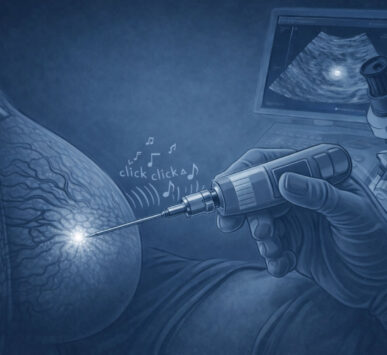
Minimally invasive treatment uses image guidance such as ultrasound, CT, or angiography to treat a problem from inside the body using very small instruments—without large cuts or open surgery.
This often means less pain, minimal scarring, and faster recovery compared to traditional surgery.
Is minimally invasive treatment safer than surgery?
For many conditions, minimally invasive procedures are as effective as surgery and often safer, with:
- Lower risk of complications
- Less blood loss
- Shorter hospital stay
However, not every condition is suitable. The goal is not to avoid surgery at all costs, but to choose the safest and most appropriate option for each patient.
Will I be awake during the procedure? Will it be painful?
Most procedures are done under local anesthesia or light sedation.
Patients usually experience minimal discomfort, and pain after the procedure is typically much less compared to open surgery.
Will there be scars after treatment?
Minimally invasive treatments usually involve tiny needle-sized entry points, not large cuts.
As a result, visible scars are minimal or absent in most patients.
How long will I need to stay in the hospital?
Many patients are discharged the same day or within 24 hours, depending on the procedure and individual recovery.
This is significantly shorter than traditional surgical hospital stays.
How soon can I return to normal activities or work?
Recovery is usually quick.
Most patients return to normal daily activities within a few days, compared to weeks after major surgery.
Which conditions can be treated without major surgery?
Many conditions can be treated using image-guided, minimally invasive techniques, including:
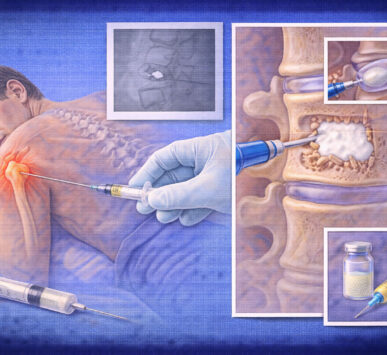
- Chronic joint pains
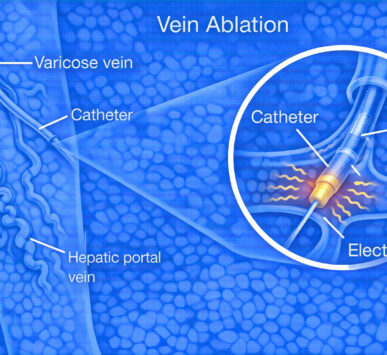
- Varicose veins
- Thyroid nodules
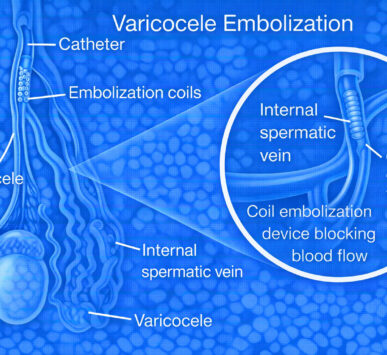
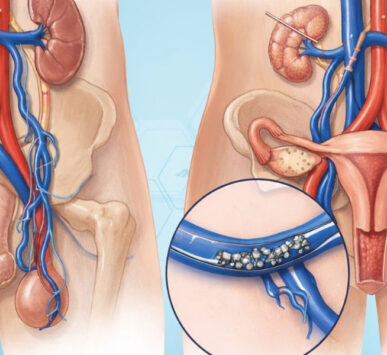
- Varicoceles
- Uterine fibroids
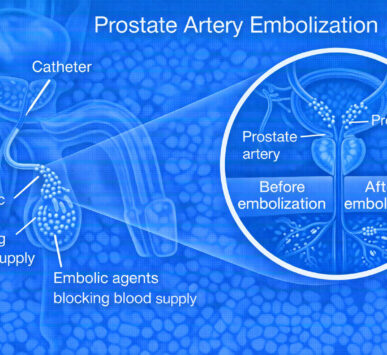
- Prostate enlargement
Not all patients are candidates, which is why individual evaluation is essential.
How do I know if I am suitable for minimally invasive treatment?
Suitability depends on:
- Your medical condition
- Imaging findings
- Overall health
A consultation helps determine whether a non-surgical or minimally invasive option is appropriate for you.
Is minimally invasive treatment permanent, or will I need surgery later?
Many patients achieve long-lasting relief with minimally invasive procedures.
In some cases, surgery may still be required later—but these treatments often delay or completely avoid the need for major surgery.
Why should I consult an Interventional Radiologist?
An Interventional Radiologist specializes in image-guided, minimally invasive procedures that often replace surgery.
Consulting one ensures you are aware of all available treatment options, not just surgical ones.